
If you’ve ever stared at your coffee maker wondering, “Where do I put the water?” you’re not alone. Getting this simple step right is key to brewing a perfect cup every time.
Pouring water in the wrong place can lead to leaks, weak coffee, or even damage to your machine. You’ll discover exactly where to add water in your coffee maker, so you can enjoy fresh, delicious coffee without any hassle. Keep reading—your next great cup of coffee is just a few steps away!

Credit: www.youtube.com
Choosing The Right Water
Choosing the right water for your coffee maker is important. Water affects the taste and quality of your coffee. Using the best water helps you enjoy a fresh and delicious cup every time.
Not all water is the same. Some water has minerals and chemicals that can change the flavor of your coffee. Knowing which water to use can make a big difference.
Importance Of Water Quality
Water quality impacts the taste of your coffee. Hard water with many minerals can make coffee bitter. Soft water with fewer minerals helps coffee taste smooth and clear.
Clean water also protects your coffee maker. Minerals can build up inside the machine. This buildup can cause damage and reduce its life. Using good water keeps your machine working well.
Filtered Vs. Tap Water
Tap water is easy to use but may contain chlorine and impurities. These can affect the smell and flavor of coffee. Some tap water is hard, which can harm your coffee maker over time.
Filtered water removes many impurities and chemicals. It often tastes better and is safer for your machine. Using filtered water can improve your coffee’s flavor and protect your coffee maker.
Locating The Water Reservoir
Finding the water reservoir in your coffee maker is key to brewing a great cup. Without water, the machine cannot work. Most coffee makers have a clear spot to add water. Knowing where it is saves time and avoids spills.
Each coffee maker model places the reservoir in a different spot. The design depends on the brand and type of machine. Learning common positions helps you find it fast. Checking your model ensures you add water correctly every time.
Common Reservoir Positions
The water reservoir often sits at the back of the coffee maker. It may be a clear plastic tank or a hidden compartment. Some models have the reservoir on the side. Others place it on top, near the filter basket. Look for a lid or a removable part to pour water inside.
Checking Your Coffee Maker Model
Refer to the user manual for your coffee maker. It shows the exact location of the water reservoir. If you do not have a manual, check the brand’s website. Search for your model number and find guides or videos. This helps avoid mistakes like overfilling or using the wrong water spot.
Filling The Reservoir Correctly
Filling the reservoir correctly is key to making great coffee. Water goes into a special tank inside the coffee maker. This tank holds water that the machine heats and uses to brew coffee. Pouring the right amount of water ensures good taste and avoids problems. Too little water makes weak coffee. Too much water can cause spills or damage.
Measuring Water Amounts
Use a measuring cup or the coffee maker’s marks. Most machines have lines inside the reservoir. These lines show how much water to add for different cups. Count the cups you want to brew. Pour water up to the correct line. This helps you avoid using too much or too little water. Accurate water amounts make coffee taste better and keep the machine safe.
Avoiding Overfilling
Never fill water above the maximum line. Overfilling can cause water to spill during brewing. Spills can damage the machine or create a mess. Water overflowing may also affect the coffee taste. Always check the reservoir before starting the machine. Pour slowly to control the water level. Stop at the max line for best results.
Using Cold Water For Best Results
Cold water is the best choice for making coffee in your coffee maker. It helps to brew fresh and tasty coffee every time. Hot or warm water can damage the machine and make your coffee taste bitter.
Using cold water ensures the coffee maker heats the water slowly. This slow heating helps extract the best flavors from the coffee grounds. The result is a smooth and balanced cup of coffee.
Where To Pour Cold Water In The Coffee Maker
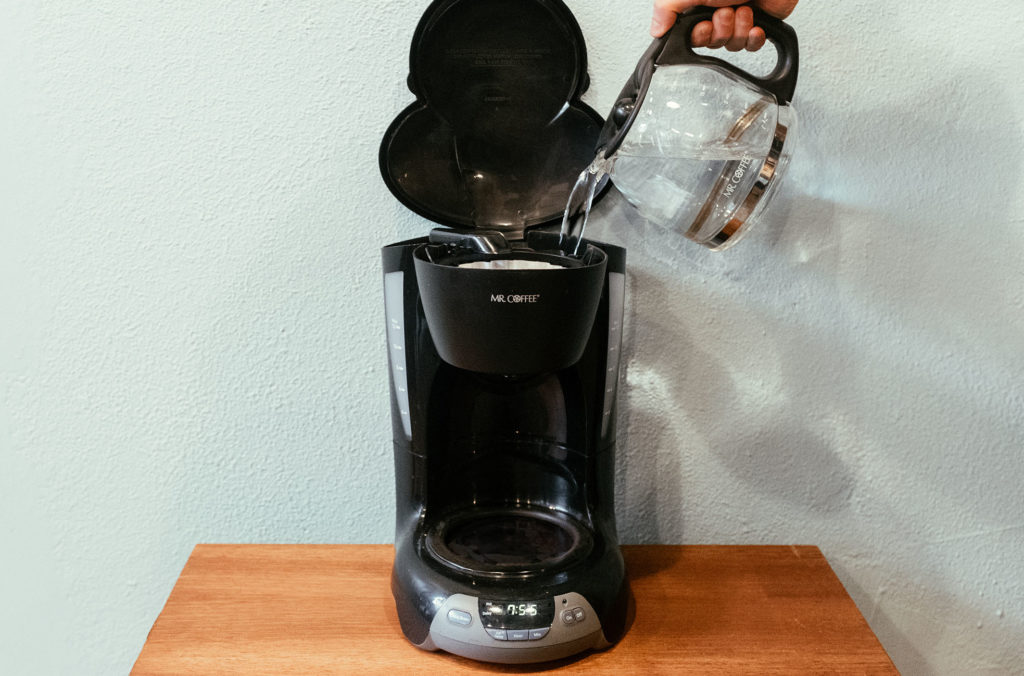
Pour cold water into the water reservoir. This is usually a clear tank or a marked container on the coffee maker. Avoid filling the basket or coffee grounds area with water.
Fill the reservoir up to the desired level. Most coffee makers have marks to guide you. Use these marks to make the right amount of coffee.
Why Avoid Hot Or Warm Water
Hot water can harm the coffee maker’s heating element. It can also cause uneven brewing. Warm water starts brewing too soon, leading to weak coffee.
Cold water gives the machine time to heat the water properly. This process helps to bring out the full flavor of the coffee beans.
Tips For Using Cold Water
Use fresh, clean cold water every time you brew. Avoid using water that has been sitting in the reservoir for long periods. This keeps your coffee fresh and free of old tastes.
Filtered or bottled cold water works best if your tap water is hard or has a strong taste.
Maintaining The Water Reservoir
Maintaining the water reservoir in your coffee maker keeps your coffee fresh and the machine working well. Clean water means better taste and fewer problems. Regular care stops mold, bacteria, and bad smells from growing inside.
Keeping the reservoir clean also helps the machine last longer. Dirt and buildup can block water flow and damage parts. A clean reservoir makes every cup smoother and more enjoyable.
Regular Cleaning Tips
Empty the water reservoir after each use. Rinse it with warm water to remove leftover water. Use mild soap and a soft cloth to clean inside once a week. Avoid harsh chemicals that can damage the reservoir. Let it dry completely before refilling.
Preventing Mineral Buildup
Minerals in water can build up inside the reservoir and pipes. Use filtered or bottled water to reduce minerals. Run a mixture of vinegar and water through the machine once a month. This helps dissolve and remove mineral deposits. Rinse the reservoir well after cleaning to avoid vinegar taste.

Credit: www.wikihow.com
Troubleshooting Common Issues
Troubleshooting common issues with your coffee maker can save time and frustration. Many problems come from simple errors with water placement or machine maintenance. Knowing where to put water and how to check the system helps fix problems fast.
Some issues affect how water flows or change the coffee’s taste. These problems often come from clogged parts or dirty water reservoirs. Fixing them keeps your coffee fresh and your machine working well.
Water Not Flowing
Water may not flow if the reservoir is empty or not seated properly. Check if the water tank fits tightly in place. Clean the water intake and filter screen to remove blockages. Mineral build-up can clog tubes; run a vinegar solution to clear it. Make sure the machine is plugged in and switched on.
Unusual Tastes Or Smells
Bad taste or smell often means the machine needs cleaning. Old water or coffee oils build up in the reservoir and pipes. Empty the tank and rinse it with warm water. Run a cleaning cycle with a descaling solution to remove residues. Use fresh, cold water for each brew to keep flavors pure.
Credit: oddlycorrect.com
Frequently Asked Questions
Where Do You Pour Water In A Coffee Maker?
Pour water into the machine’s water reservoir, usually located at the back or top.
Can I Use Tap Water In My Coffee Maker?
Yes, tap water works, but filtered water makes coffee taste better and keeps the machine clean.
How Much Water Should I Add To The Coffee Maker?
Add water based on how many cups of coffee you want to brew.
What Happens If I Put Too Much Water In The Coffee Maker?
Too much water can cause overflow or weak coffee. Follow the machine’s max fill line.
Should Water Be Cold Or Hot When Added To The Coffee Maker?
Use cold or room temperature water for best brewing results and machine safety.
How Do I Clean The Water Reservoir In A Coffee Maker?
Clean the reservoir with warm soapy water and rinse well to avoid buildup and taste issues.
Final Tips
Always add water to the coffee maker’s water reservoir. Avoid pouring water into the coffee grounds or filter basket. Use clean, fresh water for the best taste. Fill the reservoir only to the maximum level marked. This helps prevent spills and machine damage.
Regularly check and clean the water tank for better coffee. Simple steps like these make your coffee brewing easy and smooth. Now, you can enjoy a perfect cup every time.

Hi, I’m Joshua Miller, a U.S.-based food lover, review writer, and Co-founder of KitchenWink.com. I hold a Bachelor of Science in Food Science and Culinary Technology, and for over five years I’ve been testing kitchen gadgets like air fryers, blenders, and other cooking tools.
I’m also a home cook, so every product I review is tried in real kitchens—not just in theory. My reviews are based on real results, simple fixes, and tips that anyone can use. With both formal training and hands-on testing, I make sure my advice is clear, honest, and practical.
My goal is simple: to help home cooks choose the right tools and make cooking easier every day.