Have you ever wondered what really happens inside your coffee maker to turn simple water and coffee grounds into that perfect cup of coffee? Understanding how your coffee maker works step by step can help you make better coffee and even troubleshoot common problems.
You’ll discover each stage of the brewing process in easy-to-follow terms. By the end, you’ll feel more confident using your machine and might even impress your friends with your new coffee knowledge. Ready to see what’s brewing behind the scenes?
Let’s dive in!
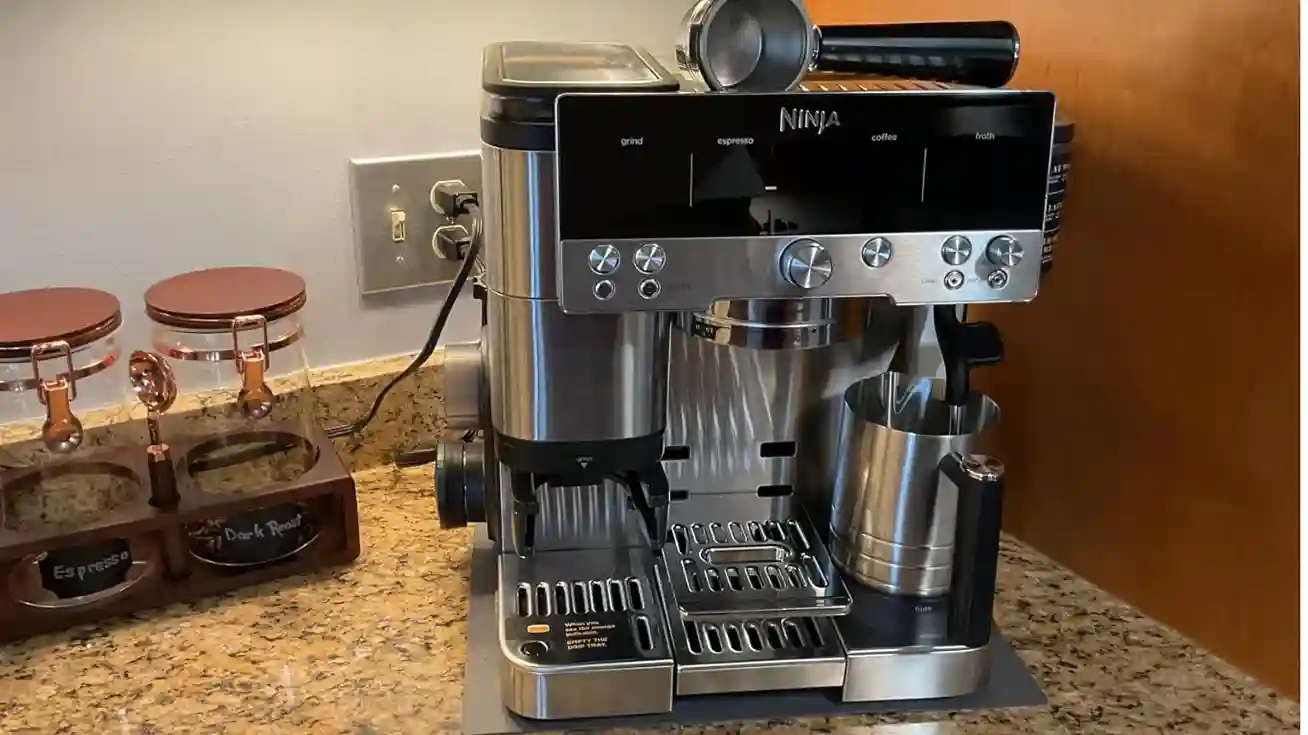
Coffee Maker Types
Coffee makers come in different types. Each type brews coffee in a unique way. Knowing these types helps you choose the right one for your taste and needs.
Drip Coffee Makers
Drip coffee makers are the most common. They heat water and drip it over ground coffee. The water passes through a filter, extracting coffee flavors. The brewed coffee then drips into a pot below. This method is simple and fast. It makes multiple cups at once.
Single Serve Machines
Single serve machines brew one cup at a time. They use coffee pods or capsules. These machines heat water quickly and force it through the pod. The result is a fresh cup without mess. Perfect for quick coffee or small servings.
Espresso Machines
Espresso machines brew coffee under high pressure. They force hot water through finely ground coffee. This process creates a strong and rich coffee shot. Espresso is the base for many coffee drinks. Machines vary from manual to fully automatic.
French Press And Others
French press uses a simple method. You steep coffee grounds in hot water. After a few minutes, press a plunger down to separate grounds. This method keeps oils and flavors in the coffee. Other types include percolators and moka pots. Each offers a distinct coffee experience.
Key Components
A coffee maker has several important parts that work together. These parts help turn water and coffee grounds into a fresh cup of coffee. Understanding these key components helps you see how the machine brews coffee step by step.
Each part plays a special role. They move water, heat it, hold coffee grounds, and collect the brewed coffee. Let’s explore these parts one by one.
Water Reservoir
The water reservoir holds the clean water before brewing. You fill it with the right amount of water for your coffee. This part controls how much water flows into the machine during brewing. It must be filled to make coffee.
Heating Element
The heating element warms the water to the perfect temperature. It heats water quickly so it can brew coffee well. This part is usually a metal coil or plate under the reservoir or inside the machine.
Filter Basket
The filter basket holds the coffee grounds. Water passes through this basket to extract coffee flavor. It uses a paper or metal filter to keep grounds from entering the coffee pot. This part is key to clean coffee.
Carafe And Warmer
The carafe collects the brewed coffee as it drips down. It is usually made of glass or thermal material. The warmer keeps coffee hot after brewing. It is a small hot plate under the carafe to maintain temperature.
Water Heating Process
The water heating process is a key step in how a coffee maker works. It warms the water to the right temperature for brewing, and this temperature directly affects the coffee’s taste and strength. The machine uses different parts to heat water quickly and evenly. Understanding this step helps you appreciate how coffee makers deliver fresh coffee every time.
According to industry-standard guidelines from the Specialty Coffee Association (SCA), the ideal water temperature at the point of contact with coffee grounds is around 200°F (≈ 94°C). This temperature range allows the water to extract oils, acids, and aromas properly—resulting in a balanced, flavorful cup instead of one that tastes weak or bitter.
Heating Mechanism
The coffee maker uses a heating element to warm the water. This part looks like a small metal coil or plate. It gets hot when electricity passes through it. Water flows over or near this heating element. The heat moves from the element to the water. This process raises the water temperature fast. The heating element is usually inside the machine’s base or water tank.
Temperature Control
The coffee maker controls water temperature with a sensor or thermostat. This device checks the water’s heat level. It stops heating when water reaches the perfect temperature. Most coffee makers heat water between 195°F and 205°F. This range extracts the best flavor from coffee grounds. If the water is too hot or cold, the coffee tastes weak or bitter. Temperature control keeps the brewing consistent every time.
Brewing Cycle Steps
The brewing cycle is the heart of how a coffee maker works. It turns water and coffee grounds into a fresh cup of coffee. Each step in the cycle matters for the taste and strength of your brew. Understanding these steps helps you appreciate the process behind your morning coffee.
Water Dispersion Over Grounds
First, the coffee maker heats water to the right temperature. Then, it sprays hot water evenly over the coffee grounds. This step wets all the grounds to start releasing flavors. Proper water dispersion is key for an even extraction. Uneven water flow can make the coffee taste weak or bitter.
Extraction Timing
The water stays on the coffee grounds for a specific time. This is the extraction phase. During this time, water pulls oils and flavors from the grounds. Too short extraction makes weak coffee. Too long extraction makes it bitter. Good coffee makers control this timing carefully.
Drip And Collection
Once extraction ends, the coffee drips down into a pot or cup. The brewed coffee collects here, ready to drink. The drip speed affects the coffee’s strength and clarity. A slow drip often means a richer flavor. A fast drip may leave the coffee thin.
Grinding And Coffee Grounds
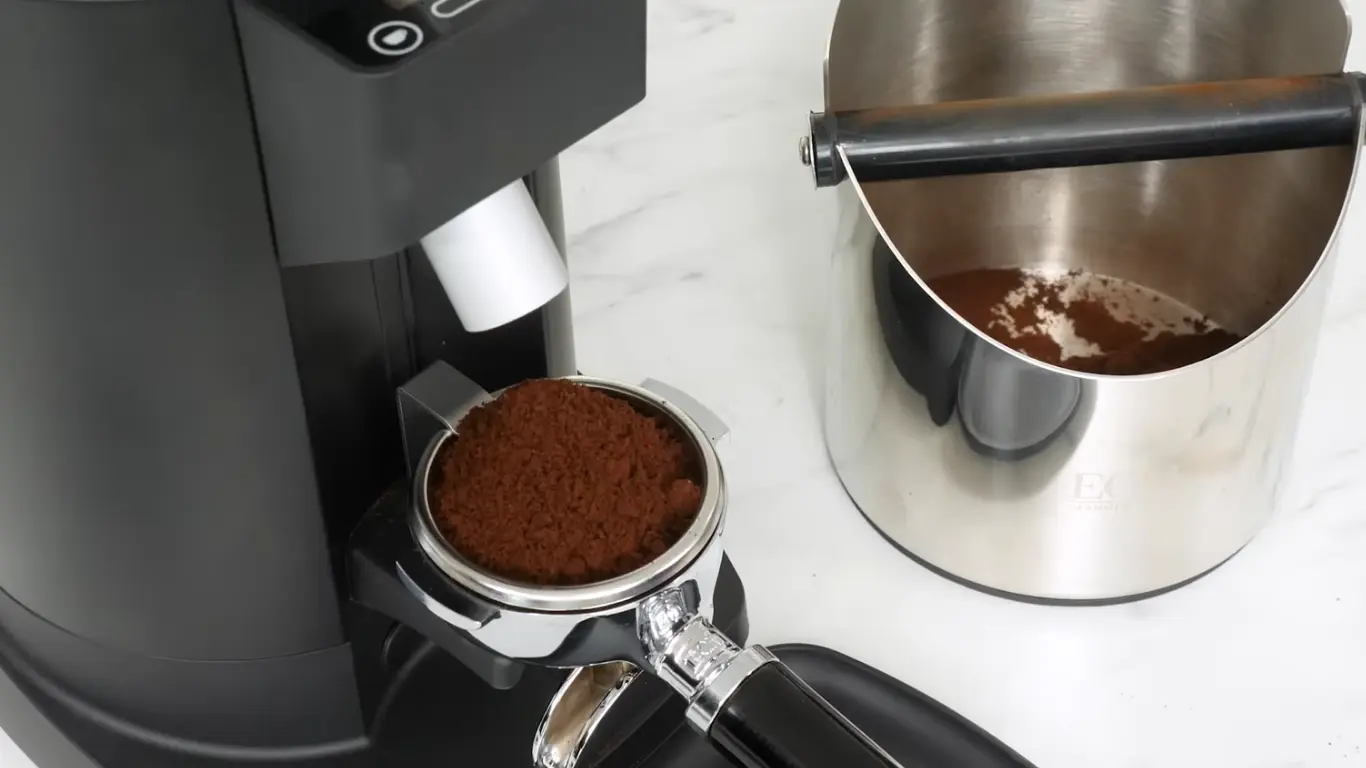
Grinding coffee beans is a key step in making good coffee. The size of the grind changes how water flows through the coffee. This affects taste and strength. Freshly ground coffee gives better flavor than pre-ground coffee. The grind must match the type of coffee maker.
Measuring the right amount of coffee grounds is important. Too much or too little coffee can change the taste. Using a scoop or scale helps get the right amount every time. Consistency in measuring keeps the coffee strong and balanced.
Grind Size Impact
Grind size controls how fast water passes through coffee. Coarse grounds let water flow quickly. This suits French press or cold brew. Fine grounds slow water down. Best for espresso or drip machines. Medium grind works well for most drip coffee makers. Too fine grind can cause bitter taste. Too coarse grind can make coffee weak.
Measuring Coffee Grounds
Use a scoop or kitchen scale to measure coffee. One scoop usually equals about 10 grams of coffee. A good rule is two tablespoons per six ounces of water. Adjust the amount for stronger or lighter coffee. Measuring keeps the taste the same every time. Avoid guessing to prevent weak or bitter coffee.
Filter Types And Effects
Filters play a big role in how your coffee tastes. They catch coffee grounds and control the flow of water. Different filters change the flavor and texture of coffee. Some filters trap more oils and fine particles. Others let more oils pass through. Choosing the right filter affects your daily coffee experience.
Paper Filters
Paper filters are popular and easy to use. They trap most coffee oils and fine particles. This results in a clean, bright cup of coffee. Paper filters remove bitterness and sediment. They are disposable and meant for one use only. Paper filters are good for people who want smooth coffee. They help make coffee clearer and lighter.
Reusable Mesh Filters
Reusable mesh filters are made from metal or nylon. They have small holes that let oils pass through. This creates a richer, fuller coffee taste. Mesh filters do not remove all fine particles. Coffee brewed with mesh filters is thicker and heavier. They save money since you can use them many times. Cleaning mesh filters is simple and quick.
Cleaning And Maintenance
Keeping your coffee maker clean is very important. It helps your machine work well and makes your coffee taste better. Dirt and old coffee oils can build up inside the machine. This can block parts and change the flavor of your coffee. Cleaning and maintenance keep your coffee maker safe and fresh for every use.
Descaling
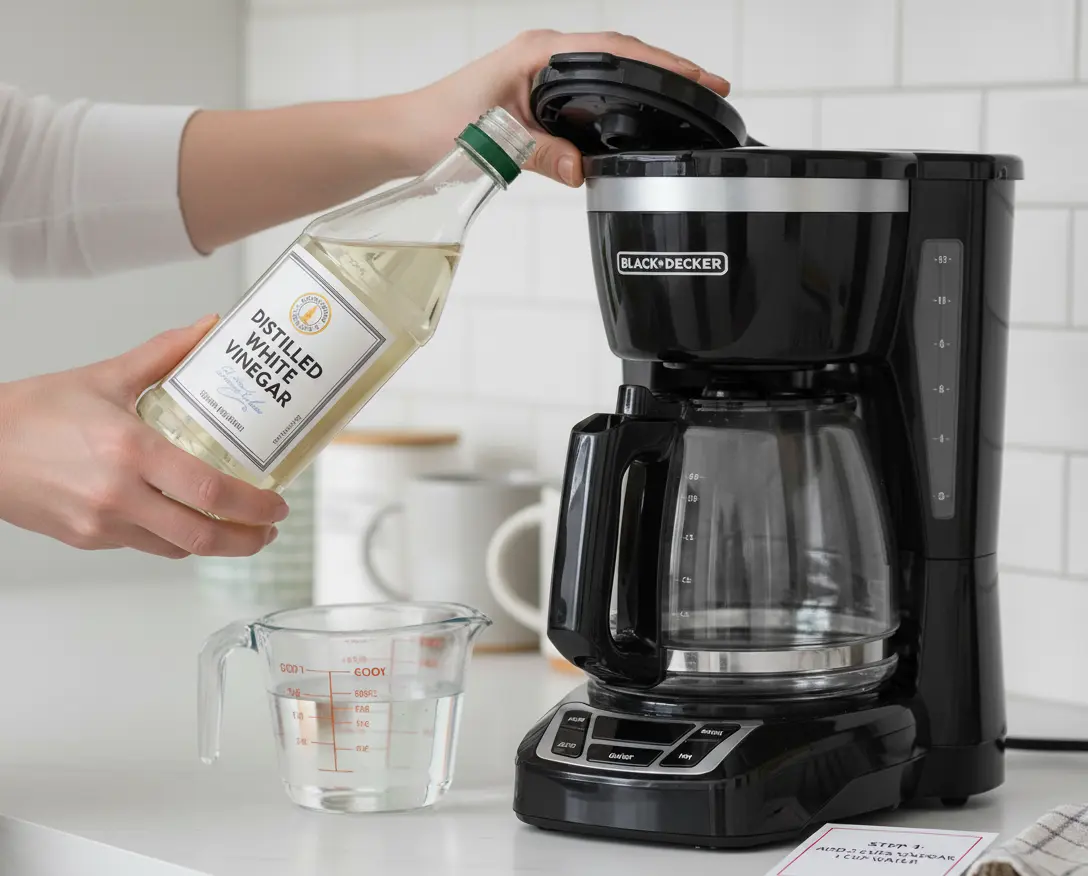
Descaling removes hard water minerals from inside the coffee maker. These minerals can block water flow and damage the machine. Use a descaling solution or white vinegar mixed with water. Pour the mixture into the water tank. Run a brewing cycle without coffee grounds. Then run two cycles with clean water to rinse well. Do this every one to three months, depending on water hardness.
Regular Cleaning Tips
Clean the removable parts after every use. Wash the filter basket, carafe, and lid with warm, soapy water. Wipe the outside of the machine with a damp cloth. Dry all parts before putting them back. Check the coffee maker for any leftover coffee grounds or spills. Clean these to avoid mold and bad smells. Regular cleaning keeps the machine fresh and working smoothly.
Troubleshooting Common Issues
Troubleshooting common coffee maker issues helps keep your machine working well. Simple problems can stop your coffee maker from making great coffee. Knowing how to fix these issues saves time and money.
Below are solutions for some frequent problems. Follow these steps to enjoy better coffee.
Weak Coffee
Weak coffee often means the coffee grounds are too coarse or too little. Try using finer grounds and more coffee. Check the water-to-coffee ratio. Less coffee or too much water makes weak coffee. Clean your coffee maker regularly. Old coffee oils can affect taste. Make sure the brew basket is not clogged.
Slow Brewing
Slow brewing can happen if the machine is dirty. Mineral buildup blocks water flow. Descale your coffee maker with vinegar or a cleaning solution. Also, check the water reservoir. If it is low, the machine brews slowly. Using the right grind size helps. Too fine grounds can slow water flow and cause clogs.
Machine Not Heating
If the coffee maker does not heat, the heating element might be broken. Check the power connection first. Reset the machine if possible. Sometimes, a blown fuse or faulty thermostat causes heating issues. Contact a technician for parts replacement. Regular cleaning prevents overheating and damage. Always unplug the machine before cleaning or repairs.
FAQ’s About How Does Coffee Maker Work Step by Step:
How Does A Coffee Maker Heat Water?
A coffee maker uses a heating element to warm water to the right brewing temperature.
What Is The Role Of The Water Pump In Coffee Makers?
The water pump moves hot water from the reservoir through the coffee grounds.
How Does Coffee Drip Through The Filter?
Hot water passes through coffee grounds in the filter, extracting flavors as it drips down.
Why Is Water Temperature Important In Brewing Coffee?
Proper temperature helps dissolve coffee flavors without burning or under-extracting the grounds.
How Long Does A Typical Coffee Brewing Cycle Take?
Most coffee makers complete brewing in about 5 to 10 minutes.
What Happens After Coffee Finishes Brewing?
Coffee flows into the carafe, and the machine may keep it warm automatically.
Conclusion
A coffee maker brews your favorite drink step by step. Water heats up and passes through coffee grounds. The hot water extracts flavors and fills the pot. This process happens quickly and easily at home. Knowing how it works helps you use it better.
Enjoy fresh coffee anytime with simple steps. Making coffee is both fun and satisfying. Try it yourself and taste the difference.

Hi, I’m Joshua Miller, a U.S.-based food lover, review writer, and Co-founder of KitchenWink.com. I hold a Bachelor of Science in Food Science and Culinary Technology, and for over five years I’ve been testing kitchen gadgets like air fryers, blenders, and other cooking tools.
I’m also a home cook, so every product I review is tried in real kitchens—not just in theory. My reviews are based on real results, simple fixes, and tips that anyone can use. With both formal training and hands-on testing, I make sure my advice is clear, honest, and practical.
My goal is simple: to help home cooks choose the right tools and make cooking easier every day.